Is there a job too small for you?
Not really, though small jobs get grouped into the diary rather than dropped in the middle of a plot programme, so there may be a wait. Ring and we will tell you honestly when we could get to it instead of taking the job and then not turning up.
Do garden walls need foundations?
Yes, and it is the single most common corner cut on walls built by other people. A wall of any height needs a concrete foundation below ground, and above a certain height it needs piers and movement joints too. A wall built straight onto a path will move.
Can you repoint an older house?
Yes. The important part is the mix: modern hard cement mortar on a soft old brick traps moisture and blows the face off the brick over a few winters. Older solid walls usually want a softer, more forgiving mortar, and we will match it to the wall rather than to the bag that was already in the van.
Do you do repairs to walls that have cracked or moved?
Yes, once we know why it moved. A crack is a symptom, and rebuilding it without dealing with the cause just means it cracks again. Sometimes that is a missing movement joint, sometimes it is a foundation or a drain, and occasionally it needs an engineer to look before anyone lays a brick.
Do you take on work for other builders?
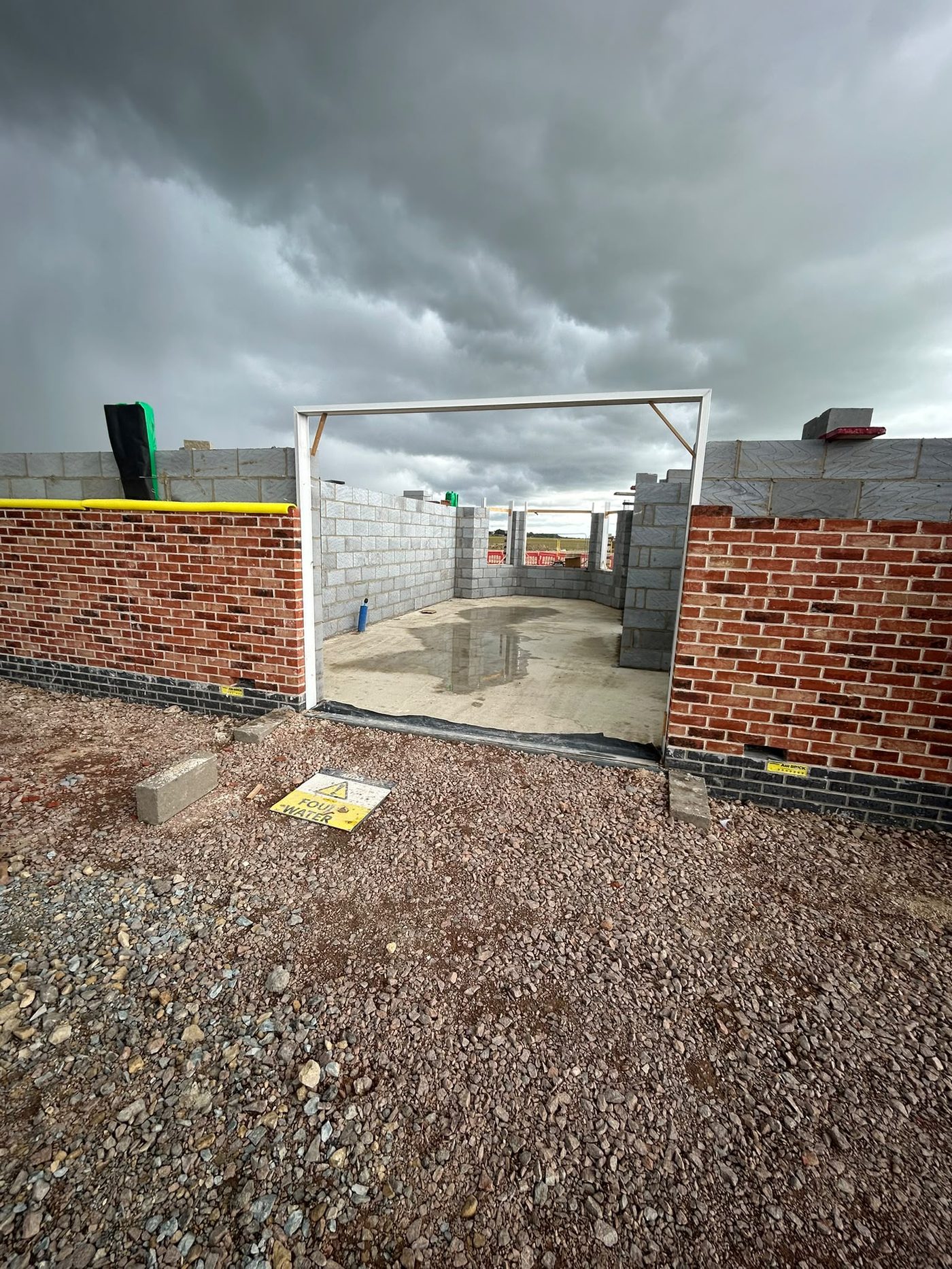
Regularly. A lot of what we do is bricklaying for main contractors and builders who need a reliable gang on the walls while they run the rest of the job. Ring with the drawings and the dates.