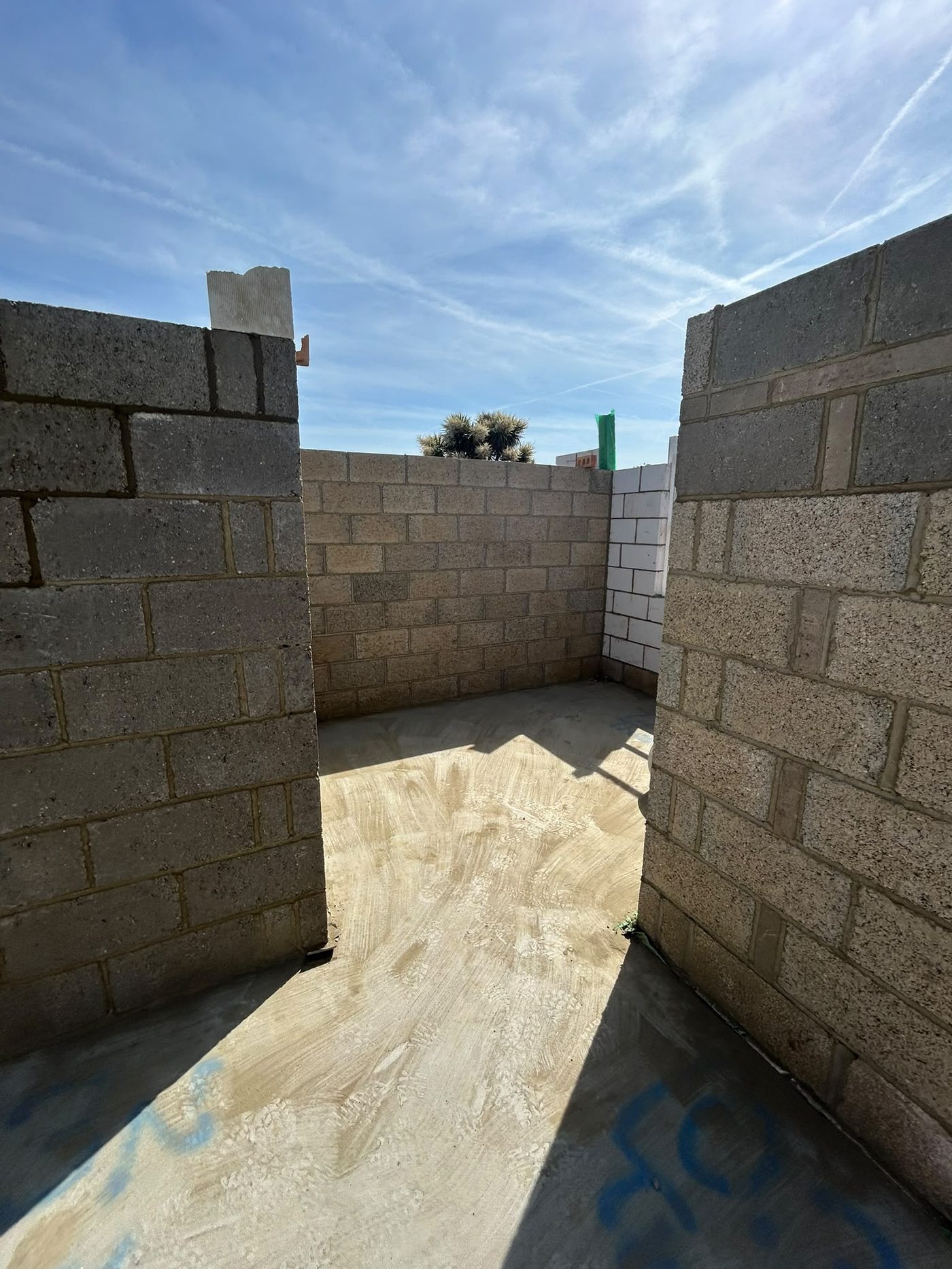
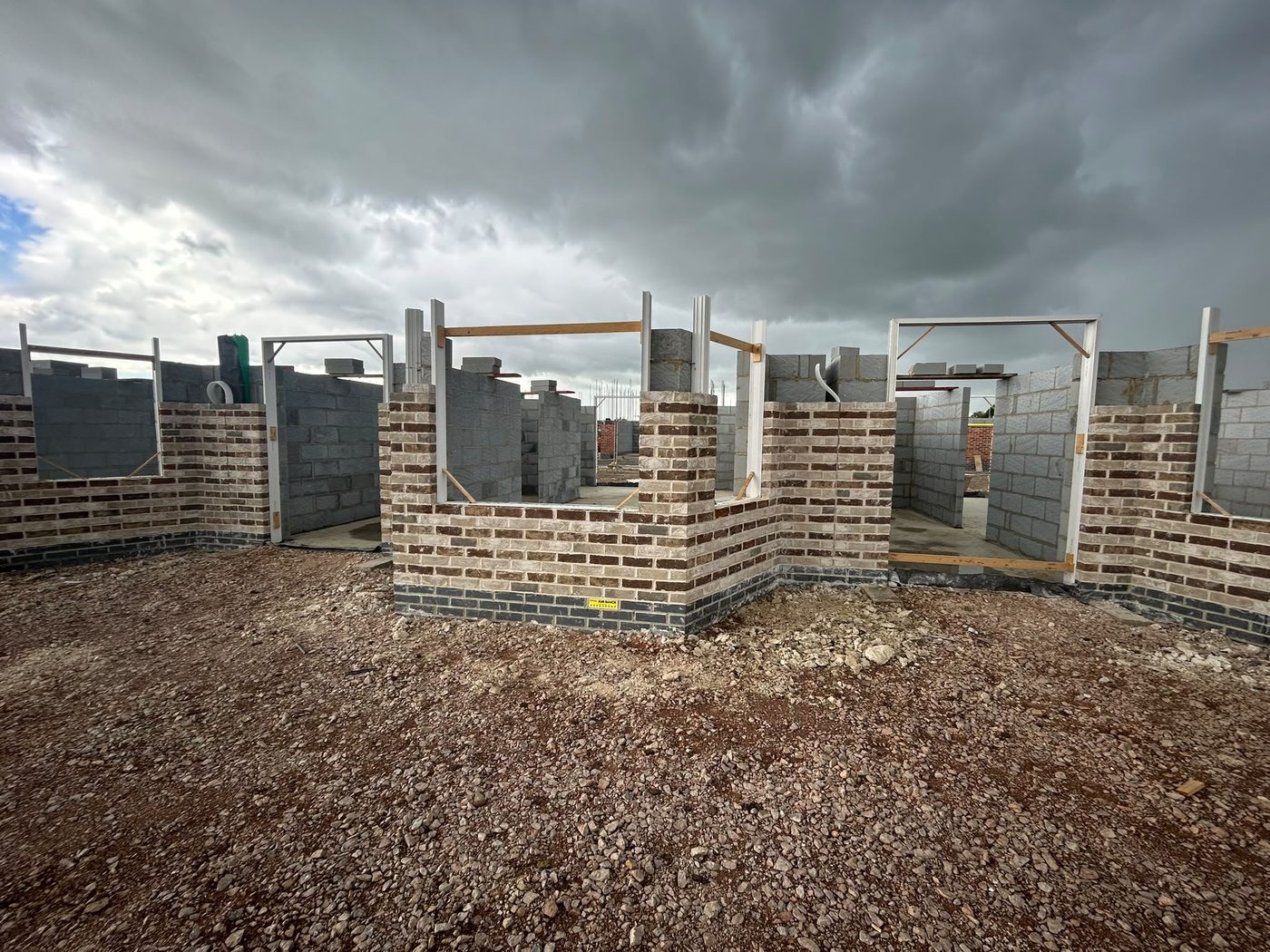
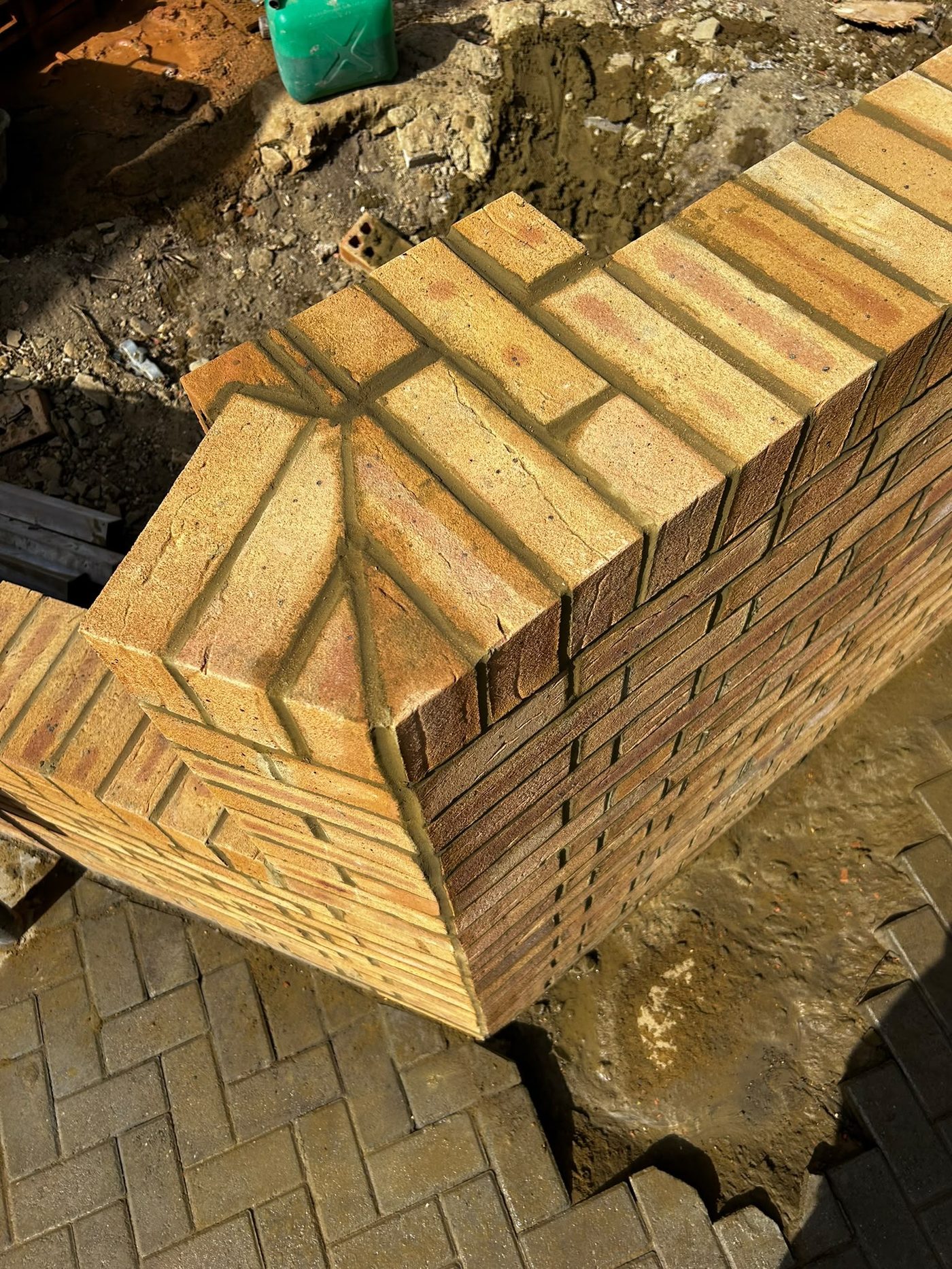
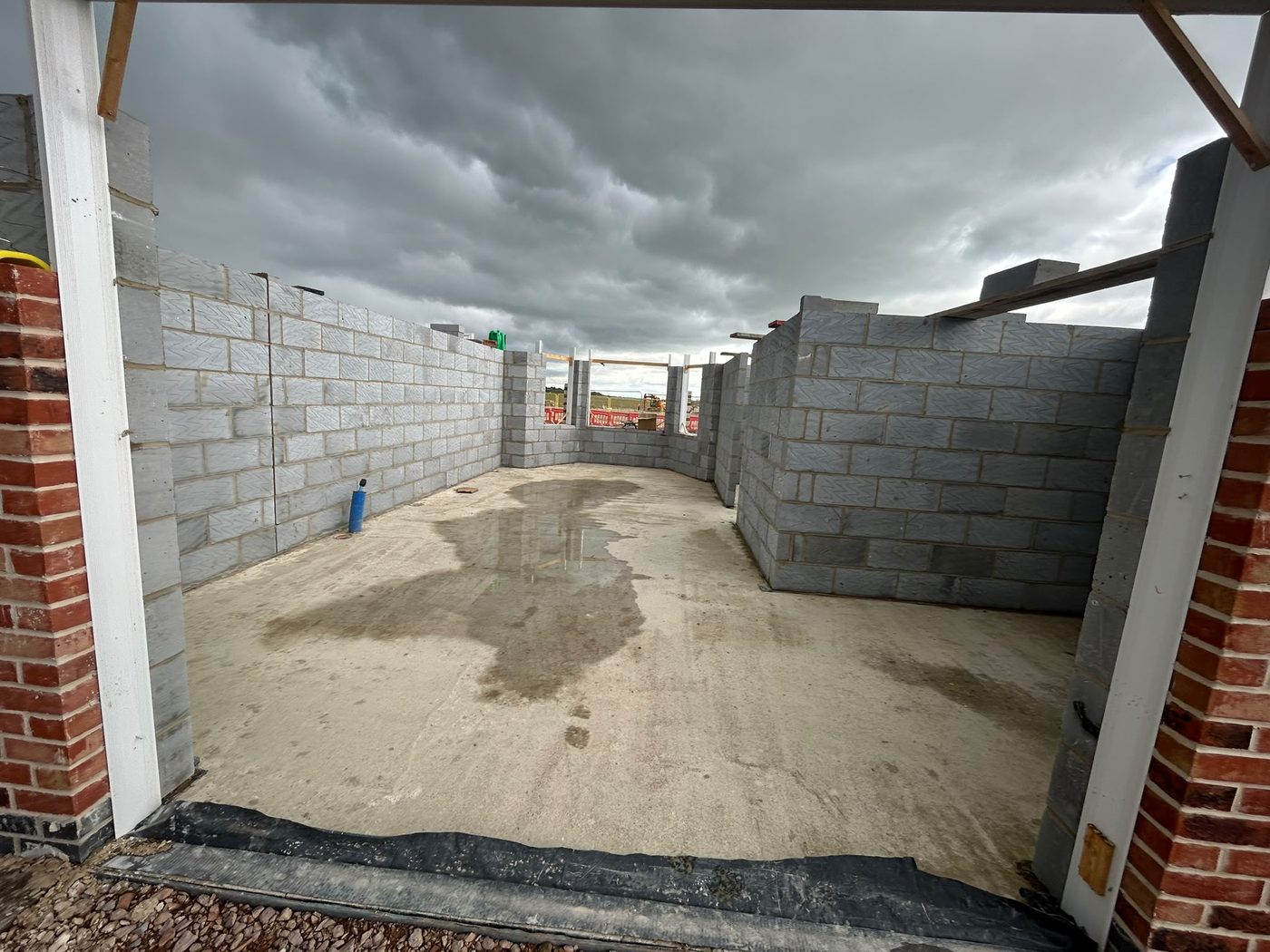
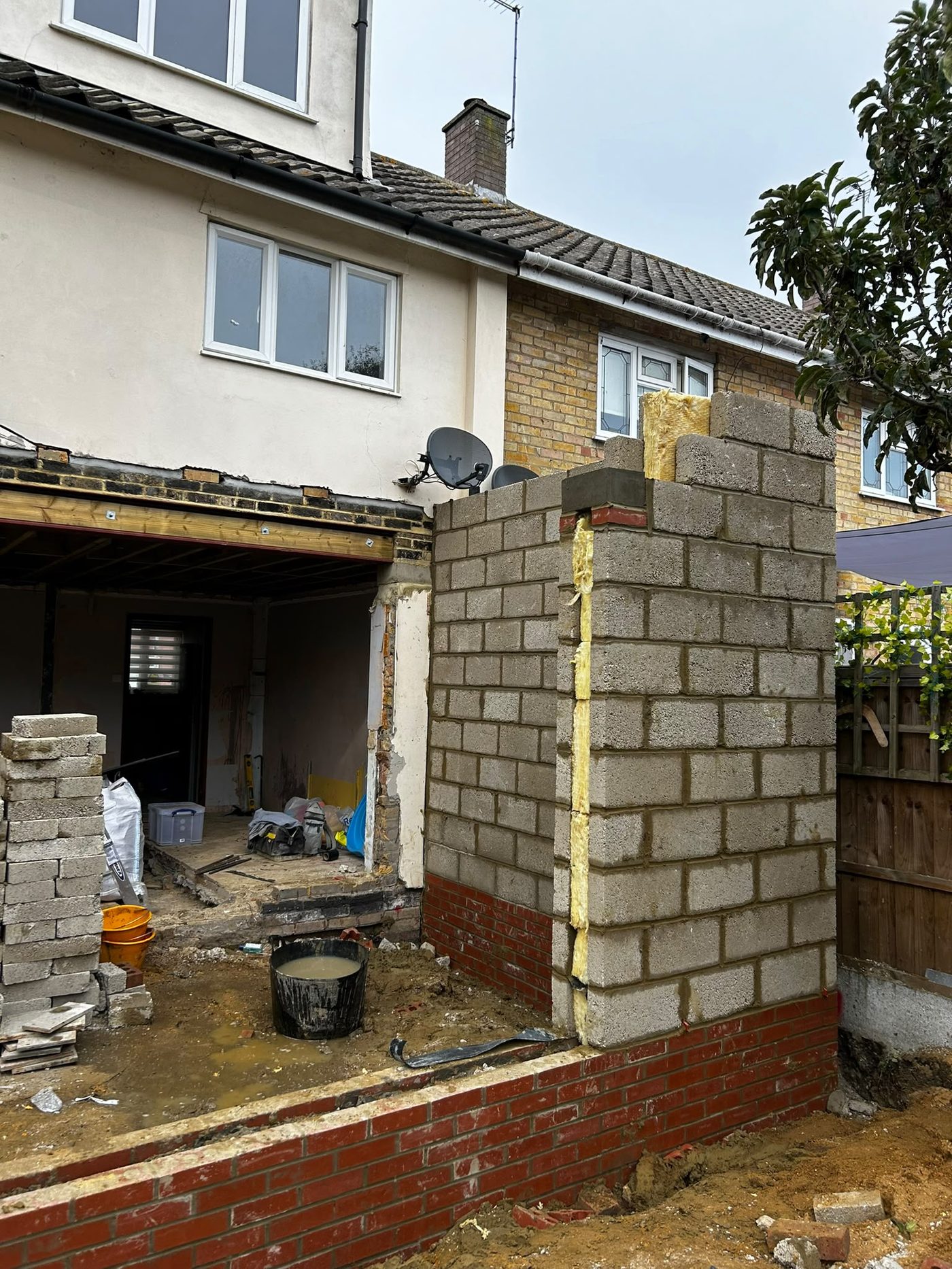
St Albans work is usually the careful kind, matching brickwork into older houses rather than starting from nothing. Facing brickwork, blockwork, new-build plot packages and extensions in St Albans, set out and gauged properly the first time.

St Albans has a historic core, conservation areas and a lot of genuinely old solid-wall brickwork, which changes the job: soft lime-based mortar rather than hard cement, matched bricks and joints, and repointing that protects the brick face instead of blowing it off over a few winters. In practice most of what we are asked for in St Albans is extensions in conservation areas, with everything else on the list available alongside it.

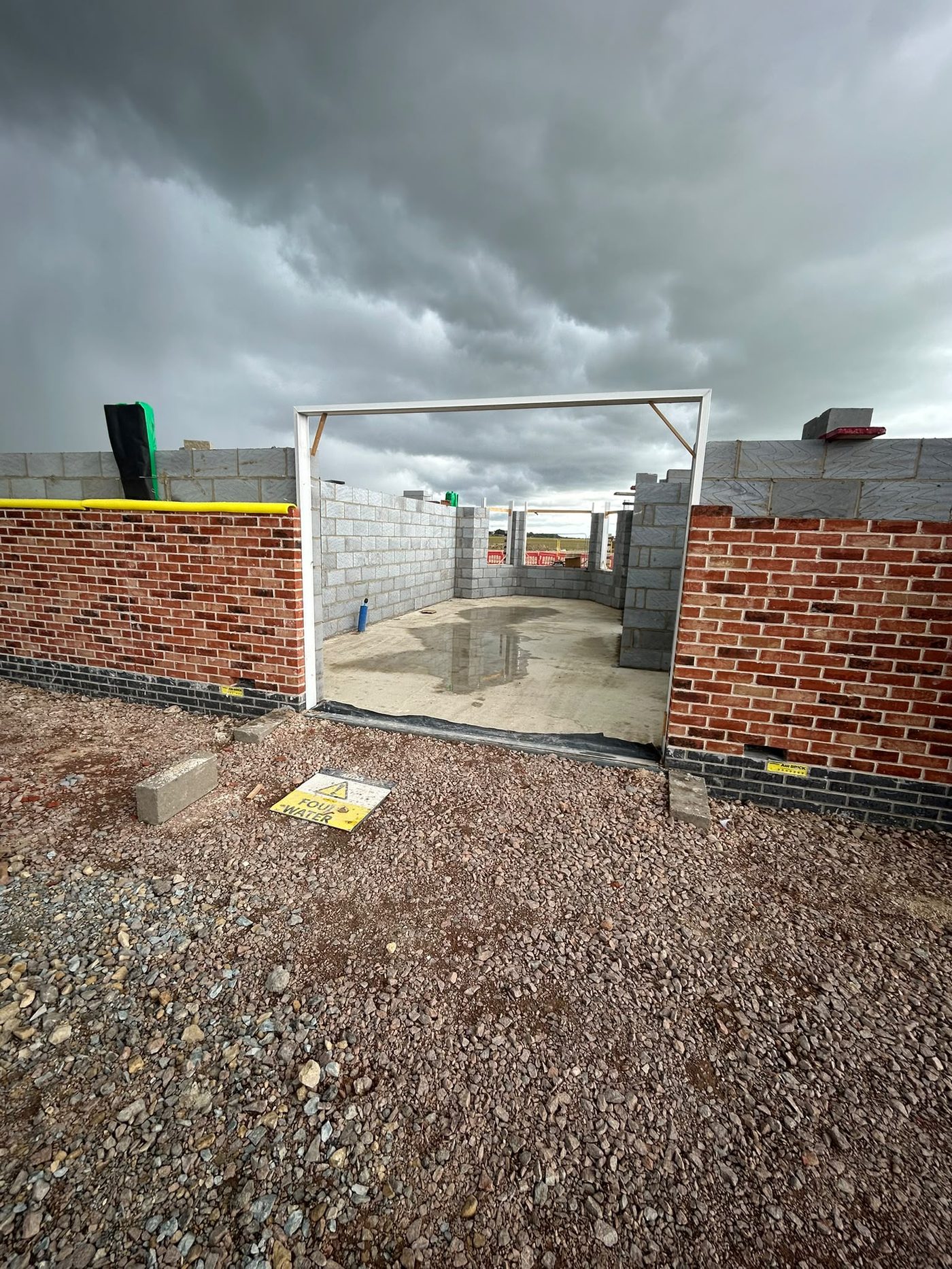
Full plots taken from footings through to wall plate: substructure, cavity walls, party walls, openings, lintels and...
Read more
Facing brickwork is the part of the building everybody looks at for the next hundred years, so it gets set out from the...
Read more
The inner leaf, the party walls and the internal partitions decide whether everything after us fits. Blockwork that is...
Read more
Single storey, double storey, side returns and wrap-arounds, taken from the footings up to a weathertight shell. For...
Read more
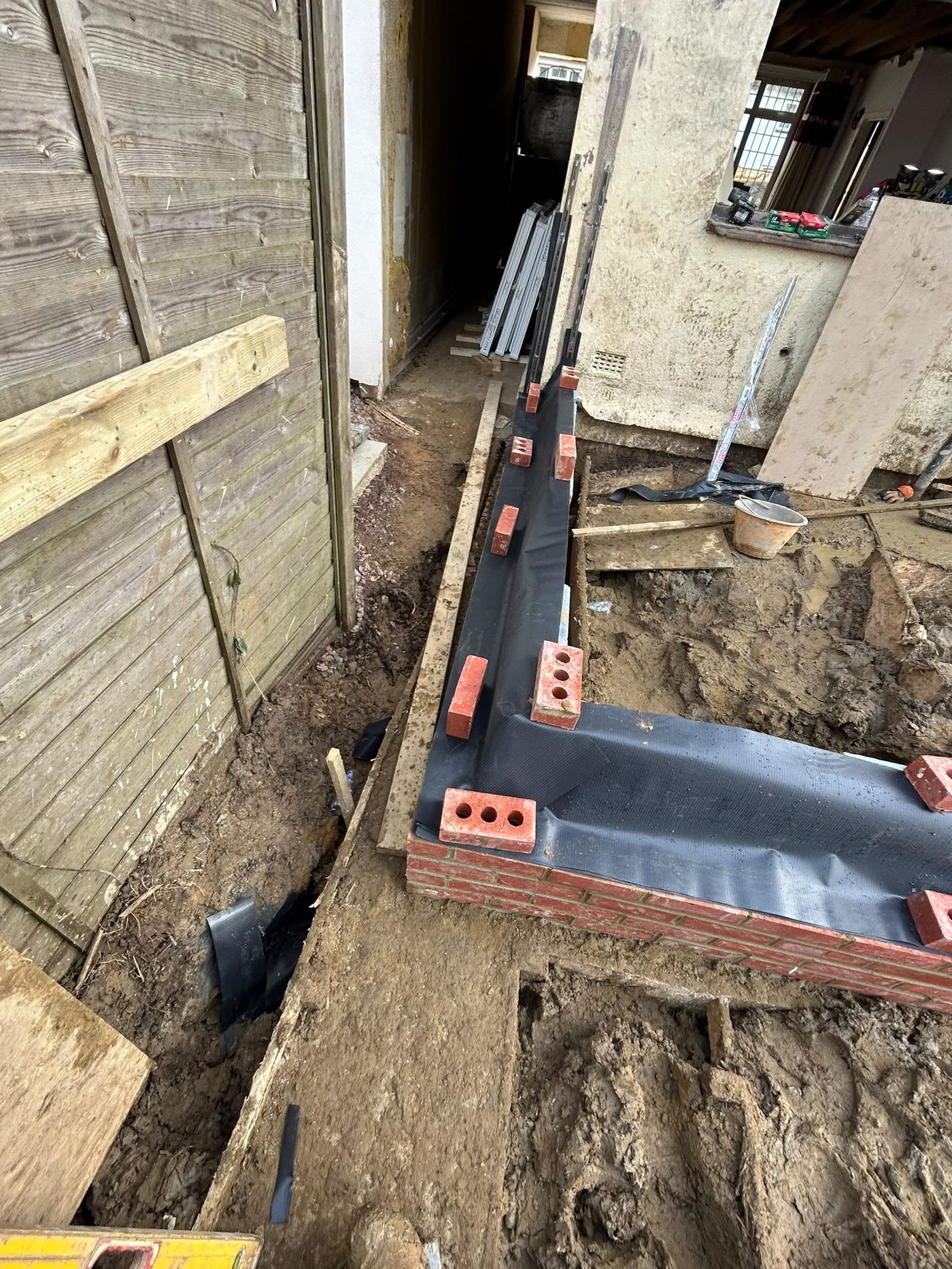
Everything above ground inherits whatever happens below it. Substructure work covers trench fill and strip footings...
Read more
Not everything is a plot or an extension. Garages, garden and boundary walls, retaining walls, piers and gate posts...
Read moreAcross St Albans (AL1) it is mostly extensions in conservation areas, matched facing brickwork, garden walls and repointing, along with the blockwork, lintels and openings that go with all of it. St Albans has a historic core, conservation areas and a lot of genuinely old solid-wall brickwork, which changes the job: soft lime-based mortar rather than hard cement, matched bricks and joints, and repointing that protects the brick face instead of blowing it off over a few winters. Every job starts with a look at the wall and the drawings rather than a price guessed over the phone.
No. St Albans is about 7 miles from the Watford base, well inside the daily patch, so travel is in the price and a look at the job is normally a couple of days away.
Yes. St Albans work is usually the careful kind, matching brickwork into older houses rather than starting from nothing. Give us a ring and we will tell you what we normally find in brickwork around Abbey and what your job is likely to need before anyone orders a brick.
It does, and it changes the materials rather than just the method. Much of older St Albans is solid-wall brickwork built with soft brick and lime-based mortar. Repointing that in modern hard cement traps moisture in the brick and takes the face off it over a few winters, so the mix gets matched to the wall. New work alongside it is matched for brick, bond and joint, and in conservation areas the specification may be conditioned. Newer housing in the town is ordinary extension and plot work.
Usually. Matching means three things: the brick, the bond and the mortar, and the mortar is the one most people forget. We judge the mortar dry rather than wet, because it changes colour as it cures, and we lay the closest brick options up on site so you can see them in St Albans daylight against your own wall rather than choosing from a sample in a merchant's yard.
St Albans is around 7 miles from the Watford base, so getting out to look and price is quick. Actually starting depends on what is already in the diary, and we would rather give you a real date than a hopeful one. Ring and we will tell you where the next honest slot is.
Send the drawings or a few photos over and we will price it up.